Ever wondered how complex software or business systems are built with precision? The secret lies in system analysis—a crucial process that turns chaos into clarity, ensuring every digital solution works seamlessly. Let’s dive into what makes it so powerful.
What Is System Analysis and Why It Matters
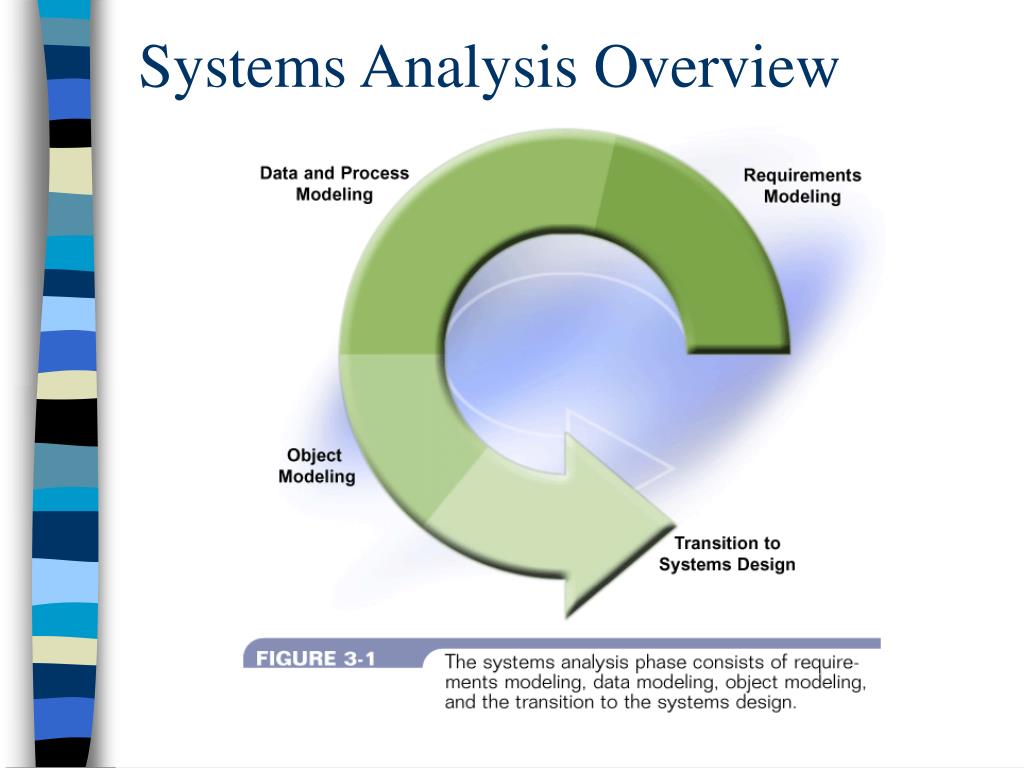
System analysis is the backbone of effective system development. It’s the structured process of examining a system or its components to identify its objectives, functions, and requirements. Whether it’s a software application, a business workflow, or an IT infrastructure, system analysis ensures that the final product aligns perfectly with user needs and organizational goals.






Defining System Analysis
At its core, system analysis involves studying a system to understand how data flows, how processes interact, and where improvements can be made. It’s not just about technology—it’s about solving real-world problems through logical evaluation. According to the IEEE Computer Society, system analysis is foundational in software engineering and systems design.
- It focuses on understanding ‘what’ the system should do, not ‘how’ it will be built.
- It bridges the gap between business requirements and technical implementation.
- It often involves stakeholders from multiple departments to gather comprehensive insights.
“System analysis is not just a phase—it’s a mindset focused on clarity, efficiency, and precision.” — Dr. Linda Rising, Software Engineering Expert
The Role of a System Analyst
A system analyst acts as a translator between business stakeholders and technical teams. They gather requirements, model processes, and recommend solutions that are both feasible and valuable. Their job isn’t limited to IT—they work in finance, healthcare, logistics, and more.
- They conduct interviews, surveys, and workshops to collect user needs.
- They create diagrams like data flow diagrams (DFDs) and use case models.
- They evaluate existing systems for performance gaps and inefficiencies.
Effective system analysts combine technical knowledge with strong communication skills, making them indispensable in any project lifecycle.
The 7 Key Steps in System Analysis
Mastering system analysis requires a structured approach. Here are seven essential steps that guide the entire process—from initial inquiry to final recommendations.
1. Problem Identification and Scoping
The first step is recognizing that a problem exists. This could be slow processing times, user dissatisfaction, or outdated technology. The analyst defines the scope by asking: What needs to be improved? Who is affected? What are the boundaries of the system?
- Conduct stakeholder meetings to identify pain points.
- Define project goals and success metrics.
- Use tools like SWOT analysis (Strengths, Weaknesses, Opportunities, Threats) to assess the current state.
For example, a retail company might discover that their inventory system takes too long to update stock levels, leading to overselling. The scope would then focus on improving real-time data synchronization.
2. Information Gathering and Requirements Elicitation
This phase is all about collecting detailed information. Analysts use various techniques to extract functional and non-functional requirements.
- Interviews: One-on-one discussions with users and managers.
- Questionnaires: Structured surveys to reach a larger audience.
- Observation: Watching how users interact with current systems.
- Document Analysis: Reviewing existing manuals, reports, and system logs.
According to the British Computer Society, up to 70% of project failures stem from poor requirements gathering. That’s why this step is so critical.
“If you don’t ask the right questions, you’ll never get the right answers.” — Karl Wiegers, Author of ‘Software Requirements’
3. Modeling the Current System
Before proposing changes, analysts must fully understand how the current system works. This involves creating visual models that represent processes, data, and interactions.
- Data Flow Diagrams (DFDs): Show how data moves through the system.
- Process Flowcharts: Map out step-by-step operations.
- Entity-Relationship Diagrams (ERDs): Illustrate how data entities relate to each other.
These models help uncover redundancies, bottlenecks, and missing links. For instance, a DFD might reveal that customer orders are being manually re-entered at three different stages—highlighting a need for automation.
4. Analyzing Feasibility
Not every solution is viable. Feasibility analysis evaluates whether a proposed system can be implemented successfully. There are five main types:
- Technical Feasibility: Can we build it with current technology?
- Economic Feasibility: Will the benefits outweigh the costs?
- Operational Feasibility: Will users accept and adopt it?
- Schedule Feasibility: Can it be delivered on time?
- Legal Feasibility: Does it comply with regulations like GDPR or HIPAA?
A cost-benefit analysis is often used here. If a new CRM system costs $100,000 but saves $150,000 annually in labor and errors, it’s economically feasible.
5. Defining System Requirements
Once feasibility is confirmed, the analyst documents detailed requirements. These are divided into two categories:
- Functional Requirements: What the system must do (e.g., generate monthly sales reports, process payments).
- Non-Functional Requirements: How well it must perform (e.g., response time under 2 seconds, 99.9% uptime).
Requirements should be SMART: Specific, Measurable, Achievable, Relevant, and Time-bound. Tools like Jira or Confluence help track and manage these specifications throughout the project.
6. Proposing Alternative Solutions
Rarely is there only one way to solve a problem. Analysts evaluate multiple options, such as upgrading existing software, building a custom solution, or adopting a SaaS platform.
- Each alternative is assessed based on cost, risk, scalability, and alignment with business goals.
- Decision matrices or scoring models help compare options objectively.
- Stakeholders are presented with trade-offs (e.g., higher upfront cost vs. long-term savings).
For example, a hospital might choose a cloud-based patient management system over an on-premise solution due to lower maintenance costs and easier scalability.
7. Delivering the Final Report and Recommendations
The culmination of system analysis is a comprehensive report that includes findings, models, requirements, and recommended solutions. This document serves as the blueprint for system design and development.
- It includes executive summaries for decision-makers.
- Technical specifications for developers.
- Implementation timelines and resource needs.
This report is often presented in a formal review meeting, where stakeholders approve the next steps—typically moving into the system design phase.
Types of System Analysis: From Business to Technical
System analysis isn’t a one-size-fits-all discipline. Depending on the context, different types are applied to address specific challenges.
Business System Analysis
This type focuses on improving business processes and operations. Business analysts use system analysis to streamline workflows, reduce costs, and enhance customer satisfaction.
- Common in ERP (Enterprise Resource Planning) implementations.
- Uses tools like BPMN (Business Process Model and Notation).
- Emphasizes ROI and process efficiency.
For example, analyzing the order-to-cash process in a manufacturing firm to eliminate delays and reduce invoice errors.
Technical System Analysis
This dives into the architecture, performance, and integration of technical systems. It’s common in software development and IT infrastructure projects.
- Focuses on APIs, databases, network configurations, and security protocols.
- Uses UML (Unified Modeling Language) for software design.
- Often involves load testing and system benchmarking.
A technical analyst might evaluate whether a legacy banking system can handle 10,000 concurrent transactions without crashing.
Strategic System Analysis
This high-level analysis aligns IT systems with long-term business strategy. It’s used in digital transformation initiatives and enterprise planning.
- Looks at market trends, competitive advantage, and innovation opportunities.
- May involve SWOT, PESTEL, or Porter’s Five Forces analysis.
- Helps organizations decide whether to invest in AI, blockchain, or cloud migration.
For instance, a retail chain might use strategic system analysis to determine if investing in an omnichannel platform will increase customer retention by 20% over three years.
Tools and Techniques Used in System Analysis
Modern system analysis relies on a variety of tools to improve accuracy, collaboration, and efficiency.
Diagramming and Modeling Tools
Visual representation is key to understanding complex systems. Analysts use specialized software to create clear, standardized diagrams.
- Lucidchart: Web-based tool for flowcharts, DFDs, and ERDs. Integrates with Google Workspace and Microsoft Office. Visit Lucidchart.
- Microsoft Visio: Industry-standard for technical diagrams and network layouts.
- Draw.io (now diagrams.net): Free, open-source alternative with strong community support.
These tools help teams visualize data flows, identify redundancies, and communicate ideas effectively across departments.
Requirements Management Software
Tracking and managing requirements is critical to avoid scope creep and misalignment.
- Jira: Widely used in agile environments to manage user stories and sprints. Learn more about Jira.
- ReqView: Lightweight tool for documenting and tracing requirements.
- IBM Rational DOORS: Enterprise-grade solution for complex regulatory projects.
These platforms allow analysts to link requirements to test cases, track changes, and ensure full traceability throughout the development lifecycle.
Prototyping and Simulation Tools
Before full development, analysts often create prototypes to validate ideas with users.
- Figma: For UI/UX mockups and interactive prototypes.
- MockFlow: Simple wireframing tool for early-stage design.
- AnyLogic: Simulation software for modeling complex systems like supply chains or traffic flow.
Prototyping reduces risk by allowing stakeholders to ‘see’ the system before it’s built, leading to better feedback and fewer revisions later.
The Role of System Analysis in Software Development Life Cycle (SDLC)
System analysis is not a standalone activity—it’s deeply integrated into the Software Development Life Cycle (SDLC). Its position and impact vary depending on the SDLC model used.
Waterfall Model and System Analysis
In the traditional Waterfall model, system analysis is a distinct phase that comes after planning and before design.
- Requirements are gathered upfront and frozen before development begins.
- Changes are difficult and costly to implement later.
- Heavy documentation is produced during this phase.
This model works well for projects with stable, well-understood requirements, such as government systems or safety-critical applications.
Agile and Iterative Approaches
In Agile methodologies like Scrum or Kanban, system analysis is continuous and iterative.
- Analysts work in sprints, gathering and refining requirements incrementally.
- User stories replace formal requirement documents.
- Feedback loops allow for rapid adjustments.
For example, a fintech startup might use Agile system analysis to develop a mobile banking app, releasing a basic version first and enhancing it based on user feedback.
“In Agile, the system analyst isn’t a gatekeeper of requirements—they’re a facilitator of conversation.” — Mike Cohn, Agile Expert
DevOps and Continuous Analysis
In modern DevOps environments, system analysis extends beyond initial development into operations and monitoring.
- Real-time analytics and logging tools provide insights into system performance.
- Feedback from production systems informs future improvements.
- Analysts collaborate with DevOps teams to optimize CI/CD pipelines.
This shift-left approach means analysis happens earlier and more frequently, reducing defects and improving delivery speed.
Common Challenges in System Analysis and How to Overcome Them
Despite its importance, system analysis is fraught with challenges that can derail projects if not managed properly.
Unclear or Changing Requirements
One of the biggest hurdles is dealing with vague or evolving requirements. Stakeholders often don’t know what they want until they see a prototype.
- Solution: Use iterative elicitation techniques and frequent reviews.
- Implement a change control process to manage scope creep.
- Leverage prototypes to clarify expectations early.
According to the Project Management Institute (PMI), unclear requirements are the top cause of project failure.
Stakeholder Resistance
Users may resist new systems due to fear of change, lack of trust, or poor communication.
- Solution: Involve stakeholders from the beginning.
- Conduct training sessions and awareness campaigns.
- Highlight benefits like reduced workload or faster processes.
Change management frameworks like Kotter’s 8-Step Model can help guide this process.
Data Quality and Integration Issues
Many systems rely on data from multiple sources, which may be inconsistent, outdated, or incompatible.
- Solution: Perform data profiling and cleansing before analysis.
- Use ETL (Extract, Transform, Load) tools to standardize data.
- Ensure APIs and middleware are robust and well-documented.
Poor data quality can lead to flawed analysis and incorrect decisions—so data integrity is non-negotiable.
Future Trends in System Analysis
As technology evolves, so does the practice of system analysis. New tools, methodologies, and expectations are reshaping the field.
AI and Machine Learning in System Analysis
Artificial Intelligence is transforming how analysts gather and interpret data.
- AI-powered tools can analyze user behavior logs to predict pain points.
- Machine learning models can identify patterns in requirements documents.
- Natural Language Processing (NLP) helps extract insights from interviews and surveys.
For example, an AI tool might scan thousands of customer support tickets to identify recurring issues that need system-level fixes.
Low-Code and No-Code Platforms
These platforms allow analysts to build functional prototypes or even full systems without writing code.
- Tools like Microsoft Power Apps or OutSystems enable rapid prototyping.
- Analysts can validate ideas faster and reduce dependency on developers.
- Democratizes system design, allowing business users to participate more actively.
However, governance and scalability remain concerns when using these platforms for enterprise systems.
Increased Focus on User Experience (UX)
Modern system analysis isn’t just about functionality—it’s about usability.
- Analysts now collaborate closely with UX designers.
- Usability testing and user journey mapping are standard practices.
- Emphasis on accessibility, responsiveness, and intuitive design.
A system that works perfectly but is hard to use will fail in the real world. User-centric analysis is the key to adoption.
What is system analysis?
System analysis is the process of studying a system or its components to identify objectives, functions, and requirements. It helps organizations understand how to improve processes, develop software, or implement new technologies effectively.
What are the main goals of system analysis?
The primary goals are to define system requirements, identify problems and inefficiencies, evaluate feasibility, and recommend optimal solutions that align with business objectives.
What skills does a system analyst need?
A system analyst needs strong analytical thinking, communication skills, technical knowledge (like databases and networking), and familiarity with modeling tools. Problem-solving and stakeholder management are also crucial.
How does system analysis differ from system design?
System analysis focuses on ‘what’ the system should do by gathering and analyzing requirements. System design focuses on ‘how’ it will be built, including architecture, interfaces, and technology choices.
Is system analysis only used in IT?
No, while it’s common in IT and software development, system analysis is also used in business process improvement, healthcare, logistics, finance, and any field where complex systems need optimization.
System analysis is far more than a technical checklist—it’s a strategic discipline that drives innovation, efficiency, and success. From identifying problems to recommending solutions, it ensures that every system built meets real user needs. Whether you’re in IT, business, or management, understanding system analysis empowers you to make smarter decisions and deliver better outcomes. As technology continues to evolve, so too will the tools and techniques of system analysis—making it an ever-relevant skill in the digital age.
Further Reading: